
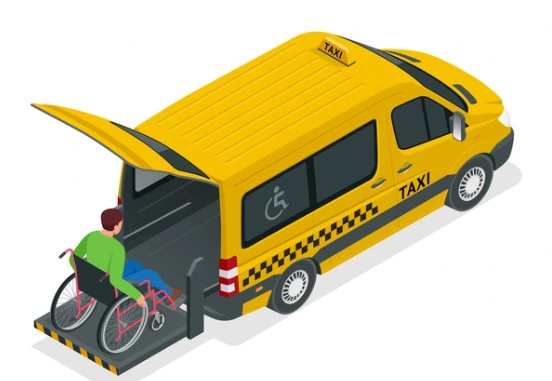
Here’s a clear, structured explanation of the need for a national accessible electric vehicle (EV) program for people with special needs — why it matters and the benefits such a program would bring:
🚗 Why We Need National Accessible Electric Vehicles for People with Special Needs
🌍 1. Equal Mobility & Independence
Accessible vehicles empower people with disabilities to:
- Travel independently without relying on others
- Access education, employment, healthcare, and social activities
- Participate fully in community life
Mobility is a basic human right, and accessible EVs help fulfill that.
♻️ 2. Environmental Sustainability
Electric vehicles:
- Produce zero tailpipe emissions
- Reduce air pollution that disproportionately affects people with health vulnerabilities
A national accessible EV program aligns disability inclusion with climate-friendly transport policies.
💰 3. Reduced Long-Term Costs
While initial costs may be higher, accessible EVs offer:
- Lower operating and maintenance costs (electric vs. combustion)
- Fewer mechanical components → fewer repairs
- Government incentives and subsidies can reduce purchase costs
This is especially important for persons with special needs who often face higher lifetime expenses due to healthcare and accessibility needs.
🛠️ 4. Customized & Inclusive Design
Accessible vehicles must be designed with features like:
- Wheelchair ramps / lifts
- Lowered floors and wider doors
- Secure wheelchair tie-downs
- Hand controls or alternative driving systems
A national program can standardize these features, ensuring safety and usability.
🚨 5. Safety & Reliability
National standards ensure:
- Vehicles meet rigorous safety and accessibility regulations
- Emergency systems are optimized for people with mobility or sensory challenges
- Regular assessments and improvements based on user feedback
👩🔬 6. Encourages Innovation
A national focus on accessible EVs would:
- Drive innovation in assistive tech integration (voice control, adaptive interfaces)
- Boost R&D in mobility solutions for people with special needs
- Encourage partnerships among manufacturers, NGOs, and governments
👥 7. Social Inclusion & Dignity
Accessible transportation:
- Reduces social isolation
- Enhances self-esteem
- Promotes participation in civic and cultural life
Mobility is more than movement — it’s freedom and dignity.
📌 What a National Accessible EV Program Could Include
- Subsidies or tax incentives for accessible EVs
- Accessible charging stations (e.g., space for wheelchair access)
- Public-private manufacturing standards
- Driver training and rehabilitation support
- Inclusive policy and planning frameworks
🎯 In Short
A national accessible EV initiative ensures that:
✔ People with special needs are included in modern mobility solutions
✔ Sustainability and accessibility go hand-in-hand
✔ Independence and dignity are guaranteed through equitable transport